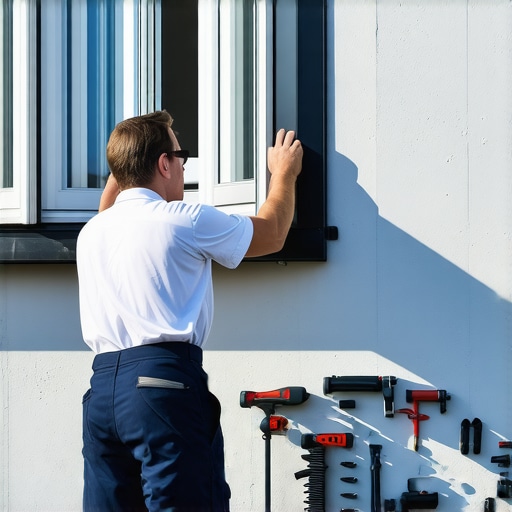
The Condensation Myth and the Reality of Thermal Performance
I recall a cold morning last February when a homeowner called me in a panic because their brand new installations were sweating. They assumed the seals had failed within months. I walked into that house with my hygrometer and a thermal imaging camera. The humidity was spiking at 62 percent because they had replaced their old drafty frames with tight pocket units but hadn’t adjusted their ventilation. It was not a window failure; it was a physics reality. The new glass was so efficient that the interior surface temperature remained high, but the lack of air exchange meant the moisture had nowhere to go. This is the starting point for understanding why a pocket window replacement requires more than just a bead of caulk and a prayer. If you are planning for a better 2026 seal, you have to look at the window as a complex thermal valve rather than just a piece of glass in a frame.
“Installation is just as critical as the window performance itself. A high-performance window installed poorly will fail.” – AAMA Installation Masters Guide
The Physics of the Pocket: Why the Rough Opening Matters
A pocket window replacement, or an insert, is often chosen to preserve existing interior trim or historic window restoration details. However, the biggest mistake installers make is ignoring the void between the new frame and the existing Rough Opening. To achieve a 2026 standard seal, you must address the thermal bridge. We use high density shims to level the unit, but the gap must be filled with low expansion closed cell foam. If you leave this cavity empty, you are essentially living in a tent with a brick facade. The air trapped in that pocket will reach its dew point, leading to rot that you won’t see until the Sash starts to sag five years later.
Fix 1: Strategic Vertical Slider Repair and Balance Calibration
Most homeowners opt for a vertical slider repair or replacement for its classic look. But a slider is only as good as its mechanical balance. For a superior seal, the weatherstripping must be under constant, even compression. We see many 2026 designs incorporating heavy duty constant force balances that ensure the meeting rail where the two sashes touch is perfectly aligned. If the meeting rail is off by even a sixteenth of an inch, your U-Factor rating is essentially voided because air will bypass the interlocking weatherstripping. This is where window mullion services become critical; if the mullions are not structurally sound, the entire frame can twist, breaking the seal on your operable units.
Fix 2: Integrating Leaded Glass Restoration with Modern Thermal Breaks
One of the most challenging aspects of high end glazing is leaded glass restoration within a modern thermal envelope. You cannot simply slap a piece of historic leaded glass into a new vinyl frame. The expansion coefficients are too different. To get a 2026 quality seal, we often encapsulate the restored leaded panel inside a triple pane insulated glass unit (IGU). This protects the delicate lead cames from wind load while providing the U-Factor necessary for cold climate efficiency. By placing the historic glass in the center of the IGU and using argon gas fills, we reflect long wave infrared radiation back into the room while preserving the Muntin profiles that give the home its character.
“The fenestration unit shall be installed in a manner that maintains the continuity of the water resistive barrier and the air barrier of the wall.” – ASTM E2112
Fix 3: Managing Complex Geometries and Corner Integrity
When dealing with geometric window shapes such as octagons or trapezoids, the risk of seal failure increases exponentially. Standard Flashing Tape techniques often fail at acute angles. For a 2026 seal, we utilize a liquid applied flashing membrane that creates a monolithic barrier around these odd shapes. This ensures that the Sill Pan is perfectly integrated even when the geometry is non standard. Without this, water will eventually find its way to the Glazing Bead, where it can sit and freeze, eventually popping the secondary seal of the glass unit.
Fix 4: The Role of Window Jamb Extensions and Air Tightness
Many installers treat a window jamb extension as a purely cosmetic trim piece. In a high performance 2026 install, the jamb extension is part of the air barrier. By properly sealing the extension to the window frame with a high grade acrylic tape before the interior trim is applied, we prevent air from the wall cavity from leaking into the living space. This is especially vital in northern climates where the pressure differential between inside and outside is high. If you are doing a full frame window services job, this is easier, but in a pocket install, it requires surgical precision to ensure the extension doesn’t interfere with the Operable components of the sash.
Fix 5: Dynamic Solar Control and Safety Hardware
The final touch for a 2026 seal involves the glass chemistry itself. We are seeing a move toward photochromic window tints that darken in response to high UV intensity. This isn’t just about comfort; it’s about reducing the thermal stress on the glass which can lead to stress cracks and seal failure. Furthermore, the installation of window restrictors install protocols ensures that even when the window is open for ventilation, the mechanical limits protect the Sash from being caught by a gust of wind and overextending the hinges or balances. For those who want the ultimate in maintenance, interior window washing becomes much simpler when the units are designed with tilt in features that don’t compromise the compression seals.
The Glazier’s Conclusion: Quality Over Speed
Achieving a better seal in 2026 isn’t about the newest gimmick; it is about the fundamental management of water and air. Whether you are looking for vertical slider repair or a complete overhaul of your geometric window shapes, the goal remains the same: keep the moisture out and the energy in. Don’t let a “caulk and walk” contractor ruin your investment. Demand a Sill Pan, insist on proper Flashing Tape, and make sure every Shim is placed with purpose. Performance is measured in decades, not days.