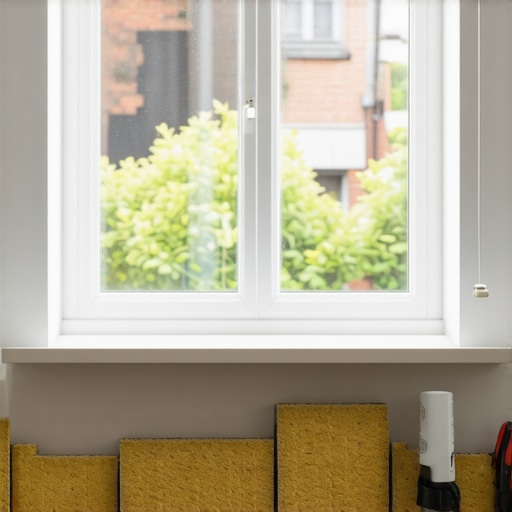
The Silence of Science: Why Your Windows Are Failing the Acoustic Test
Noise is more than an annoyance; it is a thermal and structural leak in your home’s armor. As a glazier who has spent nearly three decades staring through IGU (Insulated Glass Unit) sandwiches, I can tell you that the draft you feel and the sirens you hear are symptoms of the same disease: poor fenestration logic. In my years on the job, I have seen every shortcut in the book. I recall a specific project in a windy corridor of Chicago where I pulled a double hung vinyl unit out of a brick masonry opening. The previous crew had used a ‘caulk-and-walk’ strategy. When I removed the trim, the rough opening was a disaster area. The header was black with rot because they relied on the nailing fin instead of integrated flashing tape and a proper sill pan. The water had been wicking into the framing for five years, and the homeowners wondered why their expensive triple-pane windows were whistling like a tea kettle every time the wind kicked up. That is the reality of poor installation. It does not matter if the glass is rated for the arctic if the air is bypassing the frame entirely.
“Installation is just as critical as the window performance itself. A high-performance window installed poorly will fail.” AAMA Installation Masters Guide
1. The Offset Glass Thickness Strategy
If you want a quieter 2026, you must stop thinking about glass as a single material. Most standard double hung windows use two panes of the same thickness, usually 3mm. This creates a specific resonance frequency where sound waves pass through effortlessly. The hack for 2026 is ‘asymmetric glazing.’ By using one pane of 3mm glass and one pane of 4mm or 5mm glass, you disrupt the sound wave. The different thicknesses vibrate at different frequencies, effectively cancelling out a broader spectrum of exterior noise. This is far more effective than simply adding a third pane of the same thickness. It targets the STC (Sound Transmission Class) without the massive weight increase of a triple-pane sash which can wear out your balance systems prematurely.
2. Laminated Safety Glass and the PVB Interlayer
When clients ask for window safety glass, they are usually thinking about intruders or stray baseballs. However, in the world of high-end glazing, laminated glass is our secret weapon for acoustics. A layer of Polyvinyl Butyral (PVB) is sandwiched between two sheets of glass. This interlayer acts as a dampening agent. While standard tempered glass rings like a bell when struck by sound waves, laminated glass absorbs the energy. In 2026, we are seeing more accordion window install projects and bi-fold window services utilizing laminated glass to create soundproof transitions between indoor and outdoor spaces. It is a mandatory upgrade if you live near a flight path or a busy transit line.
3. The Precision of Window Sweep Replacement and Mechanical Seals
The weakest point of any double hung window is the meeting rail where the two sashes overlap. This is where the window sweep replacement becomes critical. A standard brush seal is not enough to stop modern decibel levels. You need high-compression bulb seals. When you lock the window, the cam action of the lock should pull the sashes together, compressing that seal until it is airtight. If you can see light through any part of your sash joinery, you have a sound leak. I always tell my apprentices that if air can get in, noise can get in. We are moving toward window maintenance plans that include annual inspections of these compression points, ensuring the EPDM or silicone materials haven’t taken a ‘set’ and lost their elasticity.
4. Managing the Rough Opening with Thermal Breaks
In cold climates like Minneapolis or Buffalo, the enemy is heat loss and condensation. U-Factor is the king here. A lower U-Factor means the window resists heat flow better. But for noise, the frame material is just as vital. Vinyl frames are affordable, but they have a high coefficient of thermal expansion. They grow and shrink significantly with the seasons, which can stress the shims and the flashing tape. Fiberglass is much more stable, mimicking the expansion rate of the glass itself. When we perform a drone window inspection, we aren’t just looking for cracked glass; we are using thermal imaging to find where the frame has pulled away from the rough opening. A quiet window requires a solid, shimmed connection to the house framing, with closed-cell spray foam or backer rod and high-grade sealant providing a secondary acoustic barrier.
“The air leakage rate of a window is a primary indicator of its acoustic performance. Sealant failure at the interface between the window and the wall is the most common cause of field performance issues.” ASTM E2112 Standard Practice
5. Self-Cleaning Coatings and Long-Term Integrity
You might wonder how self-cleaning window glass contributes to a quieter home. It is about the preservation of the seals. These coatings use titanium dioxide to break down organic dirt via UV light. This means homeowners are less likely to use harsh chemicals or abrasive tools near the glazing bead. When a glazing bead is compromised by improper cleaning, the seal between the glass and the sash frame begins to fail. Once that seal goes, the argon gas escapes, the U-Factor climbs, and the acoustic dampening properties of the IGU vanish. For 2026, look for windows that integrate these coatings to reduce the physical stress of maintenance on the delicate weatherstripping and sash components.
The Technical Reality of Modern Fenestration
We are seeing an influx of specialized tech, from dome skylight replacement projects using aerogel to bi-fold window services that require heavy-duty stainless steel tracks. But for the average homeowner, the double hung remains the workhorse. To ensure yours are guaranteed to perform, you must look at the NFRC label. Don’t just look at the U-Factor; look at the AI (Air Infiltration) rating. A quiet window should have an AI rating of 0.1 or lower. Most ‘off-the-shelf’ units are closer to 0.3. That difference might seem small on paper, but in the middle of a winter gale, it is the difference between a peaceful sleep and a drafty, noisy nightmare. Whether you are looking at window screen repair or a full-frame tear-out, remember that the glass is only as good as the hole it’s filling. Proper shimming, a perfectly level sill pan, and the right glazing logic are what separate a master installation from a DIY disaster. Stop settling for ‘good enough’ and start demanding the technical precision your home deserves. Any installer who tells you that caulk can fix a poorly sized window should be shown the door. In 2026, precision is the only luxury that matters.