The Specialist’s Perspective: More Than Just Mesh
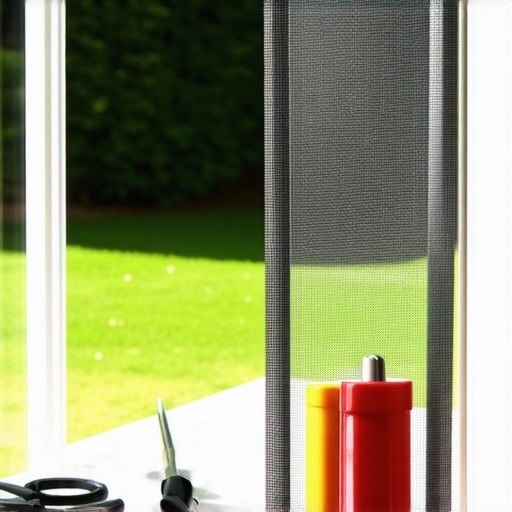
In twenty-five years of staring through Operable sashes, I have seen it all. Homeowners often treat window screens as an afterthought, a flimsy barrier that exists only to be poked by cats or bent by wind. But as a master glazier, I see the screen as the first line of defense in a complex building envelope. When we talk about fiberglass window services or window screen replacement, we aren’t just talking about aesthetics; we are talking about maintaining the integrity of the Rough Opening and ensuring that your Sill Pan isn’t collecting debris that leads to structural rot. [IMAGE_PLACEHOLDER] I remember a specific case that perfectly illustrates why the ‘quick fix’ usually fails. A homeowner called me in a panic because their brand-new, high-end units were ‘sweating’ and failing to keep out even the smallest gnats. I didn’t reach for a caulk gun. I walked in with my hygrometer and found the interior humidity was north of 60%. The screens were clogged with years of pollen and dust, effectively choking the house. They thought they had a window failure; they actually had a ventilation crisis exacerbated by poor screen maintenance. It wasn’t the windows that were the problem—it was the lack of understanding of how air moves through the Sash and across the Glazing Bead.
“Installation is just as critical as the window performance itself. A high-performance window installed poorly will fail.” – AAMA Installation Masters Guide
The Physics of the Modern Window Screen
To understand why your screens are failing to keep 2026-era pests out, you have to understand the material science. Most modern fiberglass window services utilize a vinyl-coated glass yarn. This isn’t your grandfather’s heavy metal mesh. Fiberglass is preferred because it doesn’t dent and it doesn’t corrode, but it has a specific ‘stretch’ profile. If you over-tension the mesh during a window screen replacement, you will bow the aluminum frame, creating a gap at the Muntin or the frame edge that is essentially a highway for pests. We call this ‘hourglassing.’ When the frame bows inward, the seal against the window track is compromised. No amount of interior window washing will fix the fact that you have a 3mm gap where the screen should be flush.
Hack 1: The Spline-Density Match
The first professional hack involves the spline—the rubber cord that holds the mesh in the frame. Most DIY kits provide a one-size-fits-all .140 diameter spline. As a specialist, I know that if you are working with high-visibility mesh or low-e glass upgrades, you often need a .160 or even .180 spline to account for the thinner diameter of the high-performance yarns. Using the wrong spline leads to ‘mesh slippage.’ In 2026, we are seeing more aggressive insect species that can exploit even a millimeter of slack. You must gauge your spline to the groove width minus the thickness of two layers of mesh. This ensures a ‘lock-tight’ fit that prevents the screen from blowing out during a summer thunderstorm.
Hack 2: Weep Hole Synchronization
One of the most overlooked aspects of heritage window repair or garden window install projects is the Weep Hole. These are the small exits at the bottom of your window frame designed to let water out. If your screen frame is not properly seated or if the mesh is too thick, it can actually block these holes. This creates a standing pool of water on the Sill Pan, which attracts silverfish and roaches. The hack here is to ensure your screen frame has ‘weep bridges’—small notches that allow water to pass under the screen frame while keeping the bugs out. If your current screens don’t have them, you are inviting rot into your Rough Opening.
Hack 3: The Solar Transmittance Balance
If you are investing in low-e glass upgrades, you need to be careful with your screen choice. A heavy-duty ‘pet screen’ can block up to 40% of visible light, which can interfere with the passive solar heat gain your windows were designed to capture in the winter. For North-facing windows in cold climates, I recommend a high-transparency fiberglass mesh. This allows the U-Factor of your window to do its job without the screen acting as an unintended shade. Conversely, on South-facing gable window installation, a denser solar screen can actually assist your low-e glass by reflecting radiant heat before it even hits the glass surface. It’s about thermal logic, not just bug prevention.
“The selection of appropriate fenestration products must consider the local climate conditions to optimize energy performance and occupant comfort.” – NFRC Selection Guide
Hack 4: Hardware Synchronization & Tensioning
When performing window hardware upgrades, most people focus on the locks. However, the screen tension is maintained by the ‘spring clips’ or ‘ram’s horn’ hardware. If these are fatigued, the screen will rattle. A rattling screen is a vibrating membrane that eventually wears down the weatherstripping on the Operable sash. My hack? Replace the plastic corner keys with aluminum or zinc reinforced keys during your next window screen replacement. This keeps the frame perfectly square, ensuring that the bug seal (the fuzzy strip on the back of the screen) makes 100% contact with the window frame. This is also critical for soundproof window installation, as any gap in the exterior screen can create wind whistles that bypass the acoustic glass.
Maintenance and Long-term Protection
Beyond the hacks, you must consider the ecosystem of the window. Bird safe window decals are becoming a standard in many municipalities to prevent collisions, but they must be applied to the glass, not the screen. During your interior window washing, take a moment to vacuum the screen tracks. Dirt in the tracks acts like sandpaper, grinding down the Flashing Tape over time and leading to those mystery leaks that rot out your headers. If you have a garden window install, remember that these units are particularly prone to condensation because they project out from the thermal envelope of the house. Proper screen ventilation is the only thing keeping that ‘mini-greenhouse’ from becoming a mold factory. Whether it’s a heritage window repair or a modern fiberglass window services call, the goal is the same: water out, air controlled, and pests blocked. Stop treating your screens like an accessory; treat them like the technical component they are.