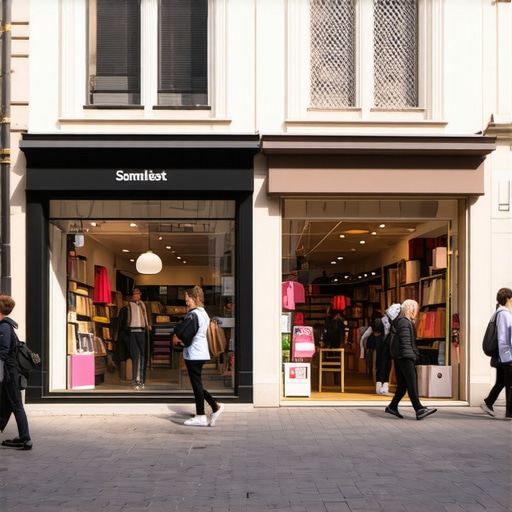
The Technical Reality of Modern Commercial Glazing
I sat across from a commercial developer last year who was convinced that standard 1/4 inch tempered plate glass was the solution for a high-traffic retail corner in a hurricane-prone district. He was listening to a high-pressure salesman who promised a quick turnaround and a low bid. I had to step in and explain the physics of wind-load cycles and why his proposed frames would likely buckle or fail during the first major weather event. I showed him the data on pressure-treated window jamb extension requirements and the sheer force that a large-span storefront window must endure. It is not just about the glass; it is about the entire assembly, from the sill pan to the head flashing. Most installers today focus on the aesthetics, but as a master glazier with 25 years in the field, I know that a storefront is a technical barrier against thermodynamic forces and physical intrusion.
“Installation is just as critical as the window performance itself. A high-performance window installed poorly will fail.” AAMA Installation Masters Guide
1. Implementing Dynamic Smart Glass Systems
In the retail environment of 2026, foot traffic is driven by comfort and visual clarity. Smart glass technology has moved beyond the novelty phase and into the realm of essential thermal management. When we talk about smart glass, we are discussing Polymer Dispersed Liquid Crystal (PDLC) technology or electrochromic glazing. This allows a storefront to dynamically adjust its Solar Heat Gain Coefficient (SHGC) throughout the day. By applying a low-voltage electrical current, the glass can shift from transparent to opaque or tinted, reflecting long-wave infrared radiation while maintaining high Visible Light Transmittance (VLT). This is particularly critical for south-facing storefronts where the afternoon sun can turn a showroom into a furnace. A Low-E coating on Surface #2 of an Insulated Glass Unit (IGU) is no longer enough. We are now looking at coatings that can be tuned to the specific dew point of the interior environment to prevent any chance of condensation that might obscure the merchandise. When performing sliding window services for large-scale commercial sliders, integrating these smart layers ensures that the shop remains inviting without the need for heavy, dated roller shade install techniques that block the view from the street.
2. High-Security Multi-Point Lock Installation and Impact Resistance
Security is a silent driver of foot traffic. Customers feel more comfortable in environments that feel solid and secure. Impact window replacement is no longer just for coastal hurricane zones; it is a standard for urban storefronts that require protection against smash-and-grab attempts. This involves using laminated glass with a thick Polyvinyl Butyral (PVB) or SentryGlas Plus (SGP) interlayer. This interlayer is bonded between two layers of glass under intense heat and pressure. Even if the outer glass layer is shattered, the interlayer remains intact, maintaining the building envelope. To complement this, a multi-point lock installation is mandatory. Unlike a standard deadbolt, a commercial multi-point system engages the sash into the frame at several points along the vertical and horizontal axes. This is often achieved through a gear-driven mechanism that pulls the sash tight against the weatherstripping, significantly reducing air infiltration and increasing the structural integrity of the opening. For modern electronic window locks, we integrate these into the building management system, allowing for automated locking cycles that ensure the property is secure the moment the last employee leaves. This level of technical redundancy is what separates a professional install from a basic handyman job.
“The building envelope must be maintained as a continuous barrier to air and water infiltration.” ASTM E2112
3. Precision Airflow and Hopper Window Repair
Natural ventilation is becoming a major selling point for retail and dining spaces. The use of operable units within a large storefront grid, such as hopper windows, allows for the passive movement of air without compromising the floor space. However, these units are often the first to fail due to poor initial installation. Hopper window repair often involves addressing the friction hinges or the glazing bead that has become brittle due to UV exposure. When we install these, we pay close attention to the weep hole geometry. If a weep hole is blocked or improperly sized, water head pressure during a storm can force moisture back over the interior leg of the window frame, leading to rot in the rough opening. We also look at grille insert replacement to maintain the historic or brand-specific aesthetic of the storefront. These are not just decorative; when properly integrated into the glazing bead, they provide structural rigidity to the glass pane. If you are seeing water on your interior sill, it is likely a failure of the sill pan or a breakdown in the flashing tape, not necessarily a failure of the glass itself.
4. Advanced Diagnostics: Drone Window Inspection and Maintenance
The final tactic for boosting the longevity and appeal of a storefront is the move toward high-tech maintenance. For multi-story retail spaces, drone window inspection has become the gold standard. A drone equipped with a thermal imaging camera can identify air leaks and thermal bridges that are invisible to the naked eye. We look for areas where the U-factor is higher than specified, indicating a failure in the gas fill (usually Argon or Krypton) between the glass panes. This often happens because the spacer between the panes has failed, allowing the gas to escape and moisture to enter. During these inspections, we also check the condition of the sealant joints and the perimeter caulking. A storefront is a living system that expands and contracts. If the installer did not leave proper shim space for expansion, the glass can eventually stress-crack. For businesses looking to refresh their look in 2026, a simple grille insert replacement or a window jamb extension can modernize the profile of the building without the cost of a full frame tear-out. However, you must ensure that any modifications do not compromise the original thermal break of the aluminum frame. Using a polyamide strip to separate the exterior and interior aluminum skins is the only way to prevent the metal from conducting heat directly into the store. When these systems are maintained with technical precision, they don’t just look better; they perform better, saving thousands in energy costs and inviting more customers through the door. {“@context”: “https://schema.org”, “@type”: “HowTo”, “name”: “How to Inspect Storefront Window Security”, “step”: [{“@type”: “HowToStep”, “text”: “Examine the multi-point locking system for gear alignment.”}, {“@type”: “HowToStep”, “text”: “Check the PVB interlayer of impact windows for signs of delamination.”}, {“@type”: “HowToStep”, “text”: “Test the electronic window locks for integration with the security hub.”}, {“@type”: “HowToStep”, “text”: “Verify that all weep holes are clear of debris to ensure proper drainage.”}]}