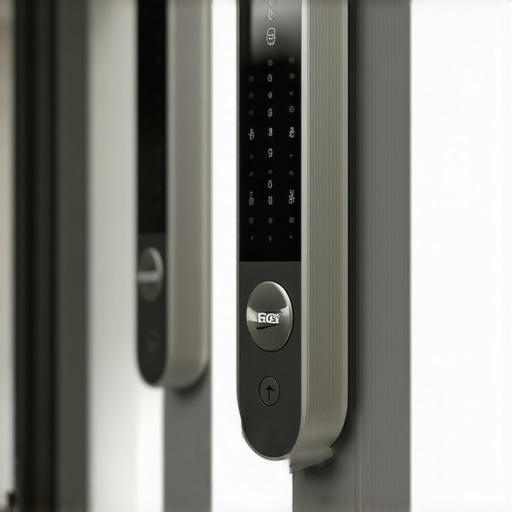
The Convergence of Fenestration and Automation
In twenty-five years of glazing, I have seen the industry move from single-pane weighted sashes to high-performance triple-glazed units that weigh hundreds of pounds. But the most significant shift isn’t the glass; it is the integration of electronic locking systems into the window frame itself. As we look toward the 2026 standards, homeowners are rushing to upgrade, yet they are falling into the same traps that have plagued window installations for decades. A window is essentially a controlled breach in your thermal envelope. When you add actuators, sensors, and electronic deadbolts, you are increasing the complexity of that breach. If the physics of the installation are ignored, no amount of smart technology will save you from energy loss or structural failure.
The Condensation Crisis: A Narrative Warning
I recall a homeowner who called me in a panic last autumn because their brand-new, high-tech windows were ‘sweating’ internally. They were convinced the seal had failed on every single unit simultaneously. I walked into the residence with my hygrometer and a thermal imaging camera. The windows weren’t leaking; the homeowner had recently upgraded their HVAC and tightened the house so much that the internal humidity was hovering at 62%. Because the new electronic locks required a specific frame thickness that the installer hadn’t accounted for, the thermal break was compromised at the locking point. I had to explain that the windows were fine, but their lifestyle and the installer’s lack of precision had created a dew point nightmare. This is the reality of modern glazing: the margin for error has shrunk to millimeters.
“Installation is just as critical as the window performance itself. A high-performance window installed poorly will fail to meet its energy and structural ratings.” AAMA Installation Masters Guide
Mistake 1: Prioritizing Gadgetry Over the Rough Opening Integrity
The first mistake is failing to realize that an electronic lock is only as secure and functional as the frame it sits in. When performing full frame window services, we look at the rough opening with the scrutiny of a surgeon. If the opening is out of plumb or square by even an eighth of an inch, the electronic strike plate will not align. Homeowners often try to retro-fit smart locks into aging frames where the wood has begun to shift. This leads to the motor burning out as it tries to force a sash into a warped frame. During a window energy audit, we often find that these ‘smart’ windows are actually leaking more air than the old ones because the electronic bolt prevents the sash from fully compressing against the weatherstripping.
Mistake 2: Neglecting the Flashing System for ‘Sleek’ Aesthetics
Modern electronic windows often feature thinner profiles, which leads homeowners to request ‘clean’ looks that skip traditional window flashing installation techniques. This is a recipe for disaster. The electronic components require wiring channels, which are essentially pathways for water if not managed correctly. Without a proper sill pan and integrated flashing tape that follows the shingle principle, water will find its way to the electronics. I have seen high rise window services struggle with this because wind-driven rain at the 20th floor will find any gap in the sealant. A threshold seal services specialist must ensure that the transition from the sill to the exterior cladding is airtight and watertight, regardless of how many sensors are embedded in the frame.
Mistake 3: Ignoring the Thermal Physics of Smart Glass
Electronic locks are often paired with high-performance glass, including anti-fog window coatings and specialized Low-E layers. A common error is failing to match the glass performance to the local climate logic. In northern climates, we prioritize the U-Factor, ensuring that the internal surface of the glass stays above the dew point to prevent condensation. If you install a window with a high Solar Heat Gain Coefficient (SHGC) in a south-facing gable window installation, the heat buildup can actually interfere with the sensitive electronics of the locking mechanism. The expansion and contraction of the frame (especially if it’s vinyl) can move the glazing bead and put pressure on the electronic actuators. We utilize window maintenance plans to check these tolerances annually, as a frame that expands too much in the summer may fail to lock electronically in the winter.
“The NFRC rating provides a reliable way to determine if a window will perform as advertised, but it assumes a perfect seal at the sash-to-frame interface.” NFRC Performance Standards
Mistake 4: Treating Wood Rot as a Cosmetic Issue
Perhaps the most expensive mistake is attempting to install 2026-grade electronic hardware into a frame requiring wood rot window repair. I have seen installers try to shim a new smart window into a soft, punky header. Within six months, the weight of the triple-pane glass causes the frame to sag, and the electronic lock jams. You cannot secure a high-tech bolt into a low-tech rot. If the structural integrity of the rough opening is compromised, a full frame window services replacement is the only viable path. We must strip it back to the studs, replace the damaged timber, and ensure the weep holes are clear so that moisture can exit the system rather than feeding the fungi that cause rot.
Ultimately, the success of your window upgrade depends on the professional who understands that a window is a complex mechanical system. From the muntins that provide aesthetic relief to the operable sash that must glide perfectly to engage an electronic strike, every component must work in harmony with the laws of physics. Don’t be seduced by the touchscreen interface if the flashing tape isn’t applied correctly. In the world of glazing, the invisible details are what keep the weather out and the security in.