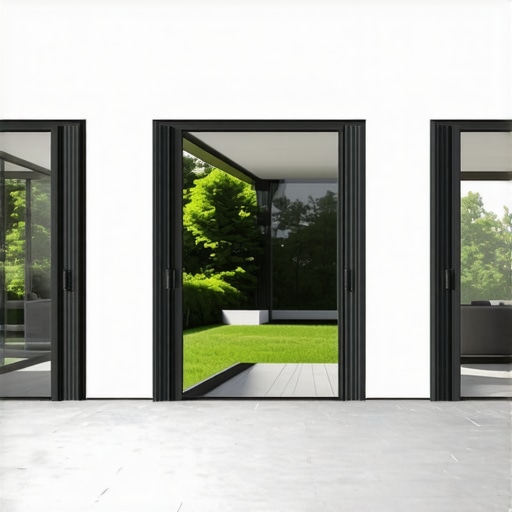
The Structural Sins of the Past: A Glazier’s Warning
I recently walked onto a job site where a homeowner was complaining about a sticking folding door system that was less than three years old. I pulled a vinyl window out of the adjacent wall to inspect the envelope, and the header was completely black with rot. Why? The previous installer relied on the nailing fin instead of proper flashing tape and neglected the basic physics of water management. When you are dealing with large-scale custom window fabrication like a folding patio system, you aren’t just installing glass; you are managing a massive structural void. If your Rough Opening is out of square by even an eighth of an inch, those heavy sashes will never track correctly. As we look toward 2026, the demand for indoor-outdoor living is surging, but the technical debt of poor installations is coming due. We need to talk about why these systems fail and how to fix them for a smoother, more efficient patio experience.
“Installation is just as critical as the window performance itself. A high-performance window installed poorly will fail.” AAMA Installation Masters Guide
Fix 1: Rectifying the Sub-Sill and Flashing Integrity
The most common failure point in folding window systems is the sill. Unlike a standard casement window installation, a folding system carries immense weight across a wide span. If the Sill Pan is not perfectly level and integrated with the weather-resistive barrier, water will eventually find its way into the subfloor. In South and Hot climates, we see this often: the sun bakes the sealant, it shrinks, and the next tropical downpour drives water under the track. To fix this for 2026, we must move beyond simple caulking. You need a mechanical sill pan with integrated Weep Hole technology. This ensures that any water penetrating the glazing bead or the primary seals is directed back to the exterior. When we perform a whole house window replacement, we emphasize the shingle principle: every layer must overlap the one below it. This isn’t just about preventing rot; it’s about maintaining the structural rigidity required for the operable hardware to function without binding.
Fix 2: Thermal Management and the SHGC Paradox
In regions like Phoenix or Florida, a massive folding window is essentially a giant radiator. If you have a low SHGC (Solar Heat Gain Coefficient) requirement, you cannot simply rely on standard clear glass. This is where photochromic window tints and advanced Low-E coatings come into play. For a southern exposure, the coating must be on Surface #2 to reflect long-wave infrared radiation before it even enters the glass assembly. If you are looking at triple pane window services, understand that the middle pane of glass provides an extra surface for coatings, significantly dropping your U-Factor and SHGC. However, you must be wary of the weight. A triple-pane folding sash is heavy. If the shim placement isn’t precise during the bay window installation or folding setup, the hinges will sag within six months. We often see fogged window defogging requests on these large units because the weight caused the frame to flex, breaking the desiccant seal. The fix for 2026 is moving toward fiberglass frames which offer the thermal stability to support that heavy glass without the expansion and contraction rates of vinyl.
“The Solar Heat Gain Coefficient (SHGC) is the fraction of incident solar radiation admitted through a window. For cooling-dominated climates, a lower SHGC is essential to reduce peak cooling loads.” NFRC Performance Guidelines
Fix 3: Balancing Light with Clerestory Integration
One of the biggest mistakes in patio design is over-relying on the folding system for all the light. This often leads to a room that is too bright in the afternoon and cave-like in the morning. By integrating clerestory window lighting above the folding system, you can bounce natural light off the ceiling, providing deep room penetration without the glare. If your current folding system feels like a thermal liability, consider picture window services to replace non-essential operable sections with fixed glass. Fixed glass always performs better thermally and has fewer air infiltration points. For those concerned about the cost of these upgrades, investigate window rebate assistance programs. Many utility providers in 2026 are offering significant incentives for homeowners who move from single-pane or failed double-pane units to high-performance systems. Whether it is a casement window installation or a complex folding array, the goal is a managed environment where the muntin and sash are not just aesthetic choices, but components of a high-performance thermal envelope. Focus on the numbers, ensure your installer knows how to use a level, and stop relying on a tube of caulk to fix a structural problem.