The High Cost of Neglect: Navigating Wood Rot in Modern Window Systems
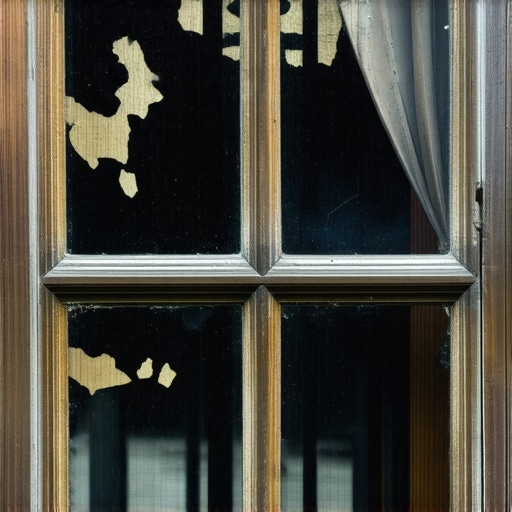
I remember pulling a triple-mulled casement window out of a house last spring, and the sight was enough to make any master glazier wince. The header was completely black with fungal rot, crumbling into something that resembled wet peat moss rather than load-bearing lumber. The homeowner was baffled, having spent thousands on a ‘pro’ installation five years prior. The culprit? The previous installer had relied entirely on the integrated nailing fin of the unit, completely ignoring the necessity of flashing tape or a proper sill pan. They hadn’t managed the water; they had merely hidden it behind the siding until the structural integrity of the rough opening was compromised. This wasn’t a failure of the wood itself, but a failure of the installation system.
The Anatomy of Failure: Why Wood Rot is a 2026 Crisis
In 2026, the complexity of casement window installation has reached new heights. We aren’t just dealing with wood and glass; we are dealing with high-performance thermal envelopes. Wood rot is no longer just an aesthetic concern; it is a thermal and structural catastrophe. When moisture infiltrates the sash or the frame, it doesn’t just sit there. Through capillary action, it is drawn into the end grains of the timber, where it begins the process of lignin degradation. This is particularly dangerous in Northern climates where the ‘Dew Point’ frequently moves from the exterior to the interior of the wall cavity. When warm, humid air from your living room hits the cold, damp wood of a failing window frame, condensation occurs inside the wood fiber itself.
“Installation is just as critical as the window performance itself. A high-performance window installed poorly will fail, leading to moisture intrusion and structural degradation that no amount of maintenance can reverse.” – AAMA Installation Masters Guide
If you are seeing signs of moisture, you aren’t just looking at a leak; you are looking at the death of your Energy Star window certification. A rotten frame creates a massive thermal bridge. The air pockets in healthy wood provide natural insulation, but once those cells are filled with water and fungal spores, the U-Factor of your window skyrockets. You are essentially throwing money out of a hole in your wall. This is why impact window replacement often becomes necessary even in non-coastal zones; once the frame is soft, it can no longer support the weight of heavy, laminated glass or resist the positive and negative wind pressures of a summer storm.
Sign 1: The Operable Resistance and Sash Sag
The first sign that you need an expert isn’t always visible rot; it’s mechanical resistance. If your casement window requires a Herculean effort to crank open, or if the sash seems to be dragging against the sill, you have a structural problem. In a healthy casement window installation, the hardware—the hinges, the operator, and the snubbers—is anchored into solid wood. When rot sets in, the wood softens and the screws lose their ‘bite.’ This causes the sash to sag out of square. I’ve seen homeowners try to fix this by replacing the crank, but they’re just putting a band-aid on a gunshot wound. If the mounting point for the hardware is compromised, the only solution is a surgical repair of the frame or a full-frame replacement.
This sag also affects modern security features. If you have electronic window locks, the misalignment caused by rot will prevent the sensors from communicating correctly. A lock that is only a sixteenth of an inch out of alignment due to frame swelling won’t engage, leaving your home vulnerable. In 2026, we see more ‘Smart Home’ failures caused by basic wood rot than by software glitches. The same applies to motorized window treatments; these systems rely on a perfectly level and plumb header. If rot has softened the header, the weight of the motor and the shade will cause the wood to bow, eventually burning out the motor or causing the treatment to fall entirely.
Sign 2: The Glazing Bead Breach and Interior Fogging
One of the most overlooked areas for wood rot is the glazing bead—the strip of wood or vinyl that holds the glass in place within the sash. In many older or poorly maintained wood windows, the seal between the glass and the glazing bead fails. Water then seeps into the ‘rabbet’ (the groove where the glass sits). Because this area is hidden, the wood can rot from the inside out. You might notice that the bottom of the glass always seems damp, or you see ‘fogging’ between the panes. While fogging usually indicates a failed seal in the IGU (Insulated Glass Unit), in wood windows, it often points to a saturated sash that is pumping moisture into the glazing pocket.
“The interface between the window and the rough opening must be managed to prevent water intrusion into the wall cavity. Failure to provide a continuous drainage plane is the leading cause of wood rot in residential fenestration.” – ASTM E2112 Standard Practice
When this happens, you can’t just call a handyman. You need a specialist who understands the window balance replacement process for double-hungs or the specific torque requirements for casements. If the sash is rotten, replacing the glass or the balances is futile. An expert will use a moisture meter to check the ‘Rough Opening’ and the ‘Sash’ for moisture content levels above 20%. Anything higher than that is an active breeding ground for rot and requires immediate intervention before the mold spreads to your interior drywall.
Sign 3: Performance Failure and the Draft Logic
The third sign is a sudden drop in acoustic and thermal performance. If you start hearing the street noise more clearly, or if you feel a draft even when the window is locked tight, the wood has likely shrunk or warped due to a cycle of wetting and drying. This warping breaks the contact between the weatherstripping and the frame. In cold climates, this is where the physics of the U-Factor becomes personal. A warped frame allows cold air to bypass the Energy Star window certification ratings entirely. This is often where I see people installing window burglar bars or heavy curtains to hide the problem, but these ‘fixes’ actually make the rot worse by trapping even more moisture against the wood.
For those considering smoke vent window systems, structural integrity is a life-safety issue. These systems are designed to open automatically during a fire to release heat and smoke. If the frame is rotten, the actuator may rip right out of the wood when it tries to engage, or the sash may be ‘glued’ shut by the rot-induced swelling. This is why we guaranteed our installations with a full ‘Shingle Principle’ water management system. We don’t just put a window in a hole; we create a drained cavity that ensures even if a seal fails, the water has a path out through the weep holes rather than into your wall studs.
The Solution: Don’t Just Replace, Re-Engineer
When you face wood rot in 2026, the answer isn’t always a cheap ‘pocket’ replacement. A pocket replacement—where a new window is slid into the old frame—only works if the original frame is structurally sound and bone dry. If you have rot, you need a full-frame tear-out. This allows us to inspect the ‘Rough Opening,’ replace any rotten studs or headers, and install a modern sill pan. This pan acts as a secondary defense, catching any future leaks and directing them back outside. We then use high-performance flashing tape to integrate the window into the home’s weather-resistive barrier (WRB).
Whether you are upgrading to impact window replacement for better storm protection or simply trying to restore your home’s efficiency, the goal is the same: moisture management. Wood is a fantastic material—it’s renewable, it’s beautiful, and it’s naturally insulating—but it is only as good as the glazier who installs it. Stop relying on caulk to save your home. Look for the signs, trust the physics, and bring in an expert who knows the difference between a ‘shim’ and a ‘shoddy’ job.