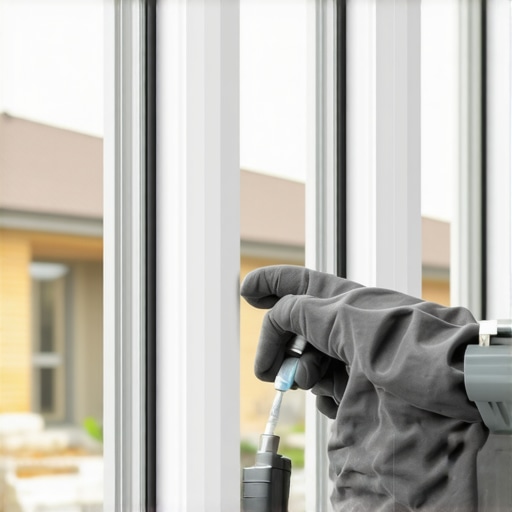
The Anatomy of a Failed Insulated Glass Unit
When you look through a triple-pane window, you aren’t just looking through glass; you are looking through a sophisticated thermal sandwich designed to battle the laws of thermodynamics. As a glazier with over two decades in the field, I have seen every possible failure mode of these units. Most homeowners assume that a foggy window means a total replacement is the only path forward, but in 2026, the economics of repair have shifted. Before you sign a contract for a full-frame casement window installation, you need to understand why that seal failed and how a targeted fix can save you thousands.
A homeowner recently called me in a panic because their expensive new windows were ‘sweating’ on the inside. They were convinced the seals had blown within six months. I walked in with my hygrometer and a thermal imaging camera. Within five minutes, I showed them that the interior humidity was sitting at 62% while it was 10 degrees outside. It wasn’t a seal failure; it was a ventilation issue. However, when the fog is *between* the panes, that is a different story. That is a breached seal, and the desiccant inside the spacer bar has reached its saturation point. This is the moment where ‘caulk-and-walk’ contractors will tell you to replace the whole unit, but we have better options today.
“Installation is just as critical as the window performance itself. A high-performance window installed poorly will fail.” – AAMA Installation Masters Guide
The Science of Triple-Pane Vulnerability
Triple-pane windows utilize two separate air or gas chambers. Usually, these are filled with argon or similar heavy-density gases to slow down convective heat transfer. The problem is that triple-pane units are significantly heavier and put more stress on the glazing bead and the primary seal. If the rough opening was not perfectly level, or if the shim placement was off by even an eighth of an inch, the weight of that triple-pane glass causes the unit to rack. Over time, this stress shears the polyisobutylene seal.
In northern climates, where we face extreme temperature swings, the ‘solar pumping’ effect is relentless. The gas inside the unit expands in the sun and contracts at night. This constant movement eventually wears out the secondary silicone seal. If your window sill replacement wasn’t done with a proper slope, water can sit against the bottom rail, further degrading the seal through hydrostatic pressure. We see this often in basement egress window services where drainage is often overlooked.
Fix #1: The Surgical IGU Extraction
The most cost-effective way to fix a blown seal in 2026 is a targeted Insulated Glass Unit (IGU) replacement. Instead of ripping out the entire frame, which disturbs the flashing tape and the exterior siding, we only replace the glass ‘biscuit.’ This process involves carefully removing the glazing bead, cutting through the double-sided glazing tape, and lifting the heavy triple-pane unit out of the sash.
This is particularly effective for windows with simulated divided lite (SDL) grids. Since the grids are typically adhered to the exterior of the glass, we can often transfer them or order the new IGU with matching muntin bars. By keeping the original frame, you maintain the structural integrity of the wall and avoid the need for new interior trim or paint. For those looking to upgrade, this is also the perfect time to consider window tinting services or even switchable privacy glass for bathrooms, as the labor to pull the glass is already being paid for.
Fix #2: Pressure Equalization and Desiccant Rejuvenation
A second, more controversial fix involves drilling minute weep holes into the spacer bar to allow the trapped moisture to escape. While this technically ‘voids’ the gas fill, in a triple-pane unit, the middle pane still provides a significant thermal break even with air instead of argon. We then inject a fresh desiccant or use a specialized valve that allows the unit to breathe without letting moisture back in.
This method is significantly cheaper than a full IGU swap and can extend the life of a window by another decade. However, it requires a master’s touch. If you drill in the wrong spot, you can shatter the tempered glass. This is often paired with a window handle replacement and hardware lubrication to ensure the operable parts of the window close tightly, reducing the physical strain on the frame that leads to seal failure in the first place.
Fix #3: Frame Stabilization and Thermal Capping
Sometimes the seal fails because the frame itself is warping. In 2026, we are using advanced polymers to stabilize existing frames before replacing the glass. This might include installing a sill pan where one was missing or reinforcing the corners of a large pivot window installation. If the window is in a high-heat area, we might also recommend app controlled shading to reduce the solar load that causes the ‘pumping’ effect.
“The moisture-vapor transmission rate of the secondary seal determines the ultimate lifespan of the insulated glass unit.” – NFRC Technical Manual
In commercial settings, we often see this combined with 60-minute fire glazing requirements. The key is to address the root cause—the movement of the house or the heat of the sun—rather than just treating the symptom of the fogged glass. If you don’t fix the frame, the new seal will fail just as fast as the old one.
Choosing the Right Path for 2026
Before you commit to a full casement window installation, evaluate the condition of your frames. If the wood or vinyl is still structurally sound, an IGU replacement or a pressure equalization fix is the way to save money while maintaining your home’s R-value. Always ensure your installer understands the ‘shingle principle’ of water management and uses high-quality flashing tape at the head and sill. A window is only as good as the hole it’s sitting in. Don’t let a ‘caulk-and-walk’ contractor tell you otherwise.
This article offers some really insightful options for addressing seal failures in triple-pane windows, which is something I’ve been dealing with in my own home. I was especially intrigued by the pressure equalization method; I hadn’t considered drilling small weep holes myself but now see the potential for a DIY fix, provided you’re cautious. The importance of correctly installing the replacement IGU and maintaining proper water management really can’t be overstated. It’s interesting how a small misstep in installation or frame condition can drastically reduce window lifespan. Have others had success with pressure rejuvenation techniques, or is this mostly reserved for experienced professionals? I wonder if there are specific signs that indicate this method is more likely to extend your window’s life rather than just a temporary fix.
This article sheds light on some smart, cost-effective ways to extend the life of triple-pane windows without the need for full replacement, which I find very practical. I agree that proper installation and frame stability are often overlooked yet are critical factors in preventing seal failures. The idea of pressure equalization with weep holes is intriguing, especially since it can potentially restore some functionality if done correctly. My concern is always the risk of shattering the glass during such modifications—do you have recommendations for specific tools or techniques to mitigate this risk? Also, I wonder how effective these pressure rejuvenation methods are in extremely cold climates where the thermal stresses are more intense. Have you seen long-term success with these techniques in such environments? It seems like a good DIY project for those with some experience, but I’d love to hear success stories from homeowners who tried it themselves or had professional help.