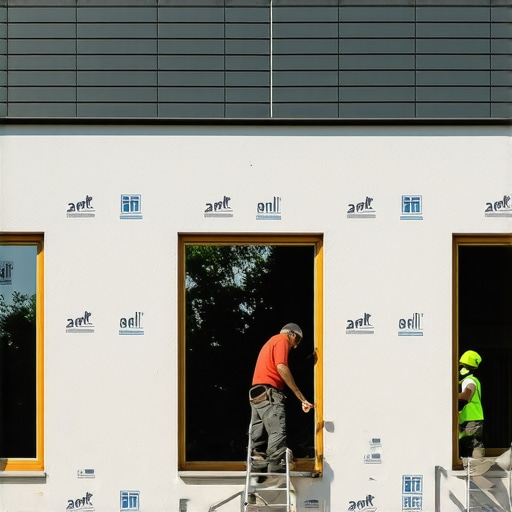
The Invisible Thermal Leak: Why Your Windows Are Failing You
Most homeowners view a window as a simple piece of glass. As a master glazier with over 25 years in the field, I see it differently. I see a complex thermal bridge, a potential water entry point, and a critical component of the building envelope that is often the weakest link in your insulation strategy. When your living room feels like a walk-in freezer in January or a sauna in July, you aren’t just dealing with old glass; you are dealing with a failure of radiant heat management and air infiltration. To address the looming energy demands of 2026, we must look beyond basic repairs and toward advanced glazing technology.
A homeowner called me in a panic last winter because their brand-new, expensive windows were ‘sweating’ so much that water was pooling on the sill. They were convinced the seals had failed. I walked in with my hygrometer and discovered the indoor humidity was hovering at 62 percent while the outside temperature was plummeting. I had to explain that the windows were actually performing their job, but the home lacked proper ventilation for its new, tighter seal. It wasn’t a product defect; it was a physics problem. This highlights a crucial reality: even the best triple pane window services cannot overcome a lack of understanding of the home as a holistic system.
“Installation is just as critical as the window performance itself. A high-performance window installed poorly will fail to meet its energy-efficiency potential and may lead to structural damage.” – AAMA Installation Masters Guide
Upgrade 1: Triple Pane Glazing and the Physics of U-Factor
The gold standard for 2026 energy efficiency is undoubtedly the move toward triple pane window services. While a standard double-pane unit offers a decent thermal break, a triple-pane unit introduces a second air or gas-filled chamber. This significantly lowers the U-factor, which measures the rate of heat loss. In cold climates, you want the lowest U-factor possible. By utilizing two layers of Low-E coating, typically on Surface #2 and Surface #5, we can reflect interior heat back into the room during winter while blocking solar gain during summer.
The secret to these units is the spacer. Traditional aluminum spacers act as a thermal bridge, conducting cold directly to the edge of the glass. Modern triple-pane systems use warm-edge spacers made of structural foam or thermoplastic, which maintain the temperature at the glazing bead and prevent the condensation issues I mentioned earlier. When you combine this with professional window measurement services to ensure the rough opening tolerances are within an eighth of an inch, you eliminate the voids where air leaks typically occur.
Upgrade 2: Spectrally Selective UV Blocking Window Films
Not every budget allows for a full-frame tear-out. For those with structurally sound frames, UV blocking window films represent a high-ROI intervention. However, I am not talking about the dark, bubbly tint you see on old cars. Modern spectrally selective films are engineered to block long-wave infrared radiation (heat) and 99 percent of ultraviolet rays while allowing maximum visible light transmittance. This is critical for preserving furniture and flooring while reducing the load on your HVAC system.
The science here involves the solar heat gain coefficient (SHGC). In hotter climates, a low SHGC is your best defense against the sun. These films reflect the radiant energy before it even enters the glass. If you are also considering picture window services for large, fixed expanses of glass, combining them with a high-performance film ensures that your view doesn’t come with a massive cooling bill. For added safety, some of these films are integrated into bullet resistant window glass or security laminates, providing a dual layer of protection and thermal control.
“The NFRC label provides a reliable way to determine if a window is appropriate for your climate zone by breakind down U-factor, SHGC, and Visible Transmittance.” – National Fenestration Rating Council (NFRC)
Upgrade 3: Laminated Glass and Hurricane Protection Systems
For coastal areas or regions prone to extreme weather, hurricane window protection is no longer optional; it is a thermal necessity. Impact-rated glass consists of a polyvinyl butyral (PVB) or ionoplast interlayer sandwiched between two sheets of glass. While designed to withstand a strike from a ten-foot 2×4, this interlayer also acts as a massive thermal and acoustic dampener. It creates a ‘dead air’ effect that significantly outperforms standard tempered glass.
During a window sill replacement or a full installation, ensuring a proper sill pan is installed is non-negotiable. This redirected water management system ensures that even if wind-driven rain penetrates the primary seals, the water is directed back out through the weep hole rather than into your wall cavity. When we install these systems, we don’t just shim the window into place; we use high-grade flashing tape and architectural-grade sealants to create a permanent air barrier.
Maximizing Efficiency with Secondary Systems
Beyond the glass, interior management plays a role. Professional roman shade services can provide an additional R-value of 1 to 2 by creating a pocket of still air between the room and the window. Furthermore, safety and maintenance shouldn’t be overlooked. Installing child proof window locks ensures that operable units remain tightly latched when closed, maintaining the integrity of the weatherstripping. If your sashes don’t pull tight against the frame, you are losing money through every crack. A proper sash adjustment and the replacement of worn glazing beads can often do more for comfort than a cheap ‘caulk-and-walk’ fix from a handyman.