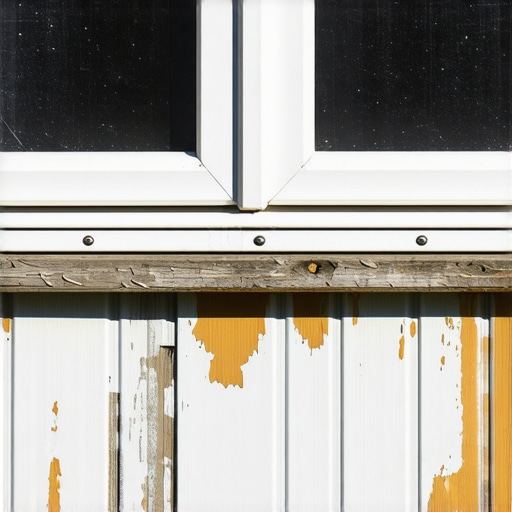
The Anatomy of Failure: Why Your Sills Are Softening
In my twenty-five years of staring into the rough opening of residential and commercial structures, I have learned one immutable truth: water is a patient predator. It doesn’t need a flood; it just needs a capillary path and a poorly installed flashing tape. If you find yourself poking at a soft spot on your windowsill and seeing the wood crumble like a stale cracker, you aren’t just looking at a cosmetic issue. You are looking at a systemic failure of the window’s water management system. As we move into 2026, the standards for thermal performance and structural integrity are higher than ever, meaning that ‘patching’ a rotted sill is no longer a viable strategy for a high-performing home.
I remember a project in Portland where I was called to inspect a seemingly minor leak. I pulled a double-hung unit out of a ten-year-old custom build, and the header was completely black with rot. The culprit? The previous installer relied solely on the nailing fin for weatherproofing instead of a dedicated sill pan and proper head flashing. The water had been trickling behind the siding for years, unseen, until the structural jack studs were essentially peat moss. This is the reality of the ‘caulk-and-walk’ mentality that plagues our industry. If your sill is rotting, the window is no longer an asset; it is a liability.
“Installation is just as critical as the window performance itself. A high-performance window installed poorly will fail.” – AAMA Installation Masters Guide
Sign 1: The Breakdown of the Shingle Principle
The primary reason sills rot is a violation of the ‘shingle principle’—the concept that every layer of a building’s skin must shed water to the layer below and eventually away from the structure. When a window is installed without a sloped sill pan, any water that bypasses the glazing bead or the sash weatherstripping pools at the bottom of the rough opening. In older installations, we often see installers skip the drip cap, the L-shaped metal flashing that sits atop the exterior casing. Without it, water runs down the wall and directly into the window frame’s upper joints.
By 2026, we expect homeowners to demand more than just ‘leak-free’ windows. We are looking at integrated window automation integration where sensors can detect moisture levels within the wall cavity. If your current windows show signs of dark staining or peeling paint on the stool (the interior ledge), the internal moisture management has likely failed. This is often exacerbated by window track cleaning neglect. When weep holes—those tiny exits at the bottom of the frame—get clogged with dust and debris, the water has nowhere to go but back into the wood or the drywall. A robust window maintenance plan is the only way to prevent this debris buildup from turning a minor storm into a major rot event.
Sign 2: Thermal Bridging and the Condensation Crisis
In northern climates, the enemy isn’t just liquid rain; it’s the dew point. If you see ‘sweating’ on the glass that eventually runs down and pools on the sill, you are witnessing a thermal failure. This usually happens when the U-factor of the window is too high for the local climate. The glass surface stays cold enough that the interior humidity reaches its dew point and liquefies. Over a single winter, this constant moisture will defeat even the best marine-grade finish on a wood sash.
The solution for 2026 isn’t just more caulk. It’s an upgrade to modern glazing technology. We are now seeing photochromic window tints that adjust to light intensity, but more importantly, we are moving toward triple-pane units with warm-edge spacers. These spacers, often made of structural foam rather than conductive aluminum, keep the edge of the glass warm, pushing the dew point safely away from the wood components. If your sills are rotting due to condensation, it is a sign that your current glazing cannot handle the interior-to-exterior temperature differential.
“Proper flashing and integration with the water-resistive barrier are essential to prevent moisture-related damage to the building envelope.” – ASTM E2112 Standard Practice for Installation of Exterior Windows
Sign 3: Mechanical Obsolescence and Accessibility Gaps
The third sign it’s time for a replacement is the failure of the operable hardware. If you are struggling with a window handle replacement because the internal gears of the operator are rusted shut from sill moisture, you have a mechanical failure. Furthermore, 2026 is the year of the ‘accessible home.’ Many older windows do not meet the standards for ADA compliant windows, which require that the window can be operated with one hand and less than five pounds of force without tight grasping or twisting of the wrist.
For many of my clients, especially those looking at bi-fold window services to connect kitchens to outdoor patios, the weight of the glass requires motorized window treatments and automated openers. If your sill is rotting, it cannot support the structural weight of these new, heavier, high-performance systems. A soft sill will compress under the load of an impact-rated sash, causing the frame to go out of square and rendering the locks useless. When we do a full-frame replacement, we ensure the new rough opening is shimmed perfectly and the sill pan is level, providing a guaranteed foundation for 2026 tech.
The Solution: Beyond the Patch
If you have a skylight leak repair or a rotting sill, don’t just look for a carpenter; look for a glazier who understands the science of the building envelope. We don’t just ‘swap’ windows. We rebuild the interface between the wall and the glass. This involves checking the muntins for structural integrity, ensuring the glazing bead is seated, and verifying that the flashing tape is lapped correctly. Whether you are interested in the latest photochromic window tints or need a basic, durable vinyl replacement, the installation is what determines if you’ll be rotting again in five years or dry for the next fifty. Water management is a science, and your home deserves a scientist, not a salesman.