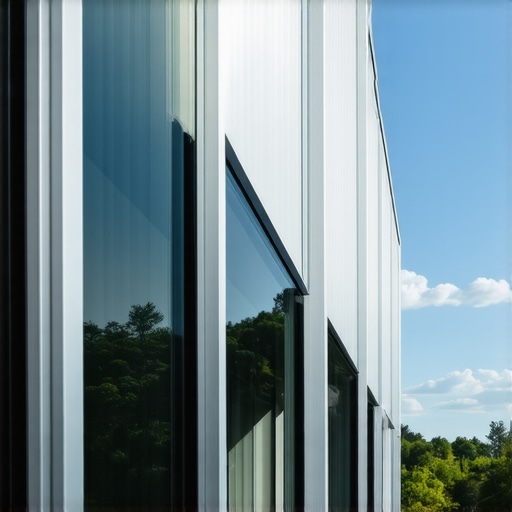
The Myth of the Magic Squeegee
I sat across from a commission-hungry representative last month who was pitching a young couple on a full-house replacement of ‘active’ glass. He was promising them that they would never touch a ladder again. I had to step in and explain the physics of the 2026 market before they signed a contract for a tech they didn’t fully understand. The reality of self-cleaning glass isn’t magic; it is a complex chemical interaction involving titanium dioxide and ultraviolet radiation. As a glazier with 25 years in the field, I have seen every ‘innovation’ from the first low-e coatings to the latest vacuum-sealed units, and self-cleaning glass is one of the most misunderstood components in the modern rough opening.
“Installation is just as critical as the window performance itself. A high-performance window installed poorly will fail.” – AAMA Installation Masters Guide
The Physics of Photocatalysis and Hydrophilic Surfaces
To understand if the 2026 price premium is justified, we have to look at the glazing bead. Self-cleaning glass utilizes a microscopic layer of titanium dioxide ($TiO_2$). This coating performs two distinct functions. First is the photocatalytic stage: when UV light hits the coating, it reacts with the oxygen and water vapor in the air to create hydroxyl radicals. These radicals break down organic dirt—bird droppings, tree sap, and pollen—into smaller, less adhesive particles. The second stage is the hydrophilic effect. Unlike standard silica glass, which is hydrophobic (causing water to bead), this coating makes the glass ‘water-loving.’ Instead of droplets, water flattens into a sheet. When it rains, that sheet of water slides down the pane, carrying the decomposed organic matter with it. If you are considering a window transom installation where the glass is twenty feet off the ground, this tech is a lifesaver. However, if your glass is shaded by a deep overhang, the photocatalytic reaction never triggers. No UV, no cleaning. It is that simple.
Geometric Challenges and Architectural Constraints
We are seeing a massive trend toward geometric window shapes in modern residential design. While a trapezoid or a large circular lite looks stunning, they are a nightmare to clean manually. This is where self-cleaning coatings prove their ROI. However, the installation of these units requires surgical precision. You cannot just slap these into a rough opening and hope for the best. The shim placement must be exact to ensure the frame doesn’t torque, which could stress the specialized coating or the primary seal. If the frame flexes, you risk seal failure, leading to the dreaded ‘cloudy’ look. I often get calls for fogged window defogging, but let me be clear: once the desiccant is saturated and the internal atmosphere of the IGU is compromised, ‘defogging’ is a temporary aesthetic fix. For a 2026-spec window, you are better off with a full window screen replacement and a new IGU than trying to drill holes in high-tech glass.
The Frame Material Science: Why Aluminum Matters Again
In the southern climates where Solar Heat Gain Coefficient (SHGC) is the primary enemy, aluminum window framing has made a massive comeback, provided it is thermally broken. The high structural strength of aluminum allows for the massive glass spans seen in a lift slide window replacement. These systems often feature panels that weigh hundreds of pounds. When you add the weight of a self-cleaning laminate, the sash must be able to handle the load without bowing. In places like Phoenix or Miami, we want the coating on Surface #2 to reflect heat, but the self-cleaning layer must be on Surface #1 (the exterior). Managing these layers requires a master glazier who understands how to handle the glass without scratching the delicate $TiO_2$ layer during the window restrictors install.
“The selection of glazing must be balanced with the building’s orientation and local climate data to ensure long-term energy performance and occupant comfort.” – NFRC Performance Guidelines
The Conflict: Insect Screens vs. UV Rays
One of the biggest ‘gotchas’ I tell homeowners is the screen conflict. If you invest in insect screen services, you are effectively putting a UV filter over your self-cleaning glass. Most high-density insect screens block up to 40% of the UV radiation necessary to activate the photocatalytic coating. If you are going to use self-cleaning glass, you need to rethink your window screen replacement strategy. You might need to move to retractable screens or high-transparency meshes that allow the sun to do its job on the glass surface. Furthermore, if you are doing a roller shade install on the interior, be aware that the heat reflected back through the glass can increase the temperature of the IGU, potentially stressing the weep hole system during rapid cooling cycles like a summer rainstorm.
Specialized Glazing: Fire Ratings and Safety
It is important to note that self-cleaning technology is not available for every application. For instance, if your project requires 60-minute fire glazing for a lot-line condition, you are dealing with multi-laminate ceramic or intumescent layers. These specialized lites are generally incompatible with $TiO_2$ coatings due to the way they are manufactured. You have to choose: do you want fire protection or easy cleaning? In most jurisdictions, the building code makes that choice for you. When we install these fire-rated units, we focus on the sill pan and the flashing tape to ensure that the heavy, expensive glass doesn’t succumb to moisture infiltration at the base.
The 2026 Verdict: Is the Premium Justified?
By 2026, the cost of labor for professional window cleaners is projected to rise by another 15%. If you have a home with a window transom installation or high-altitude geometric window shapes, the self-cleaning glass will pay for itself in saved maintenance costs within seven years. But if you are installing standard double-hungs that you can tilt in and clean yourself in five minutes, you are better off spending that money on a better U-factor or higher-quality aluminum window framing. I always tell my clients: don’t buy the ‘never clean again’ lie. Buy the ‘clean less often’ reality. Water management is a science, and glass is just one part of the envelope. If your installer doesn’t mention the sill pan or the flashing tape, it doesn’t matter how clean the glass is—your wall is going to rot regardless. Stick with the technical specs, ignore the high-pressure sales pitch, and remember that in the world of glazing, you get exactly what you pay for in the rough opening.