The Condensation Crisis: Why Your Windows Aren’t Leaking
A homeowner called me in a panic last February because their brand-new windows were ‘sweating’ and water was pooling on the sill. They were convinced the units were defective. I walked in with my hygrometer and showed them that the relative humidity in their living room was 60%, while it was 5 degrees Fahrenheit outside. It wasn’t the windows; it was their lifestyle and the fact that their house was now airtight. High-performance windows don’t ‘breathe’ like old, drafty wood sashes. This encounter highlights the first rule of glazing: the window is a thermal barrier, but it’s also part of a complex home ecosystem. If you don’t understand the physics of the Rough Opening and the Dew Point, you’re throwing money down the drain. As we approach 2026, the cost of materials is projected to climb, but by mastering the pocket window replacement, you can bypass the $15,000 to $20,000 price tags of a whole house window replacement while achieving 90% of the energy efficiency benefits.
Understanding the Pocket Replacement: The Master Glazier’s Shortcut
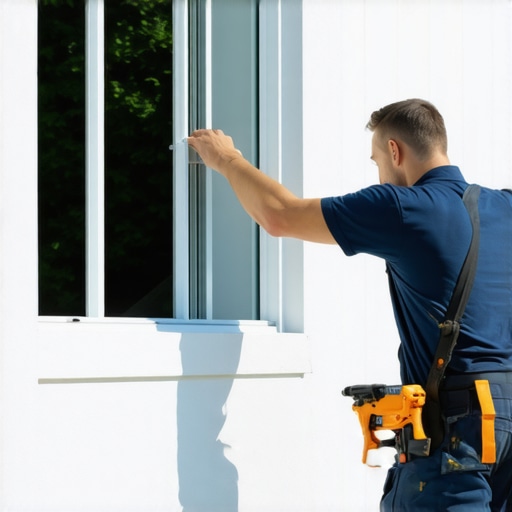
A pocket replacement, or ‘insert’ window, is a method where the new unit is installed directly into the existing wood frame. This avoids the destruction of exterior siding and interior trim. However, this only works if the existing Sill Pan and jambs are structurally sound. If there is rot at the Sash interface, a pocket replacement is just putting a bandage on a gunshot wound. In 2026, the savvy homeowner will use this method to save roughly $150 to $300 per opening in labor costs alone.
“Installation is just as critical as the window performance itself. A high-performance window installed poorly will fail, leading to air infiltration and moisture intrusion that negates the energy ratings.” – AAMA Installation Masters Guide
Secret 1: The Sash-to-Glass Ratio and the Low-E Surface #3 Optimization
The biggest mistake I see is homeowners choosing triple-pane glass for every room. If you live in a northern climate like Chicago or Minneapolis, your enemy is heat loss. You need a low U-Factor. This is achieved through sputter-coated silver layers on the glass. By choosing a high-performance double-pane unit with a Low-E coating on Surface #3 (the interior-facing surface of the outboard pane), you reflect heat back into the room. In 2026, the secret to saving $2,000 on a whole house window replacement is selectively upgrading only the north-facing windows to triple-pane while using optimized double-pane for the rest. We also look at the Glazing Bead and the spacer system. A warm-edge spacer made of structural foam is vastly superior to older aluminum spacers, which act as a thermal bridge and cause that dreaded condensation at the edge of the glass.
Secret 2: Leveraging Photochromic Tints and App-Controlled Shading
In 2026, we are seeing the mass-market adoption of photochromic window tints. These are not the purple films of the 1990s. Modern technology allows the glass to transition its Visible Transmittance (VT) based on the intensity of UV radiation. When combined with app controlled shading, you can manage the Solar Heat Gain Coefficient (SHGC) in real-time. If you are doing a sunroom window replacement, this is non-negotiable. By integrating smart window sensors, the system can automatically lower the blinds when the SHGC exceeds a certain threshold, saving you hundreds on cooling costs. This tech used to be reserved for high-end commercial curtain walls, but pocket replacements now allow for ‘smart’ inserts that plug into the existing home automation grid.
Secret 3: The ‘Non-Mechanical’ Seal Repair and Fogging Prevention
Before you commit to a full replacement, inspect your current units for fogged window defogging opportunities. If the window seal repair is simple—meaning the desiccant in the spacer is saturated but the primary polyisobutylene seal is intact—you might save thousands. However, if the seal has totally failed, the argon gas has escaped, replaced by moisture-laden air. This is where the ROI of a new pocket window shines. For basement egress window services, the focus shifts to the Flashing Tape and water management. You must ensure the Weep Hole in the new insert is clear of debris. Many ‘caulk-and-walk’ installers accidentally seal the weep holes shut, trapping water inside the frame and rotting the Rough Opening within two seasons.
“The NFRC label is the only way to truly compare the energy performance of windows. Homeowners must look past the sales pitch and focus on the certified U-Factor and SHGC ratings.” – NFRC Performance Standards
Technical Deep Dive: The Physics of 2026 Glazing
Let’s talk about the ‘Glazing Zoom.’ A window is an assembly of parts. The Muntin bars, if applied externally, can actually create small thermal bridges. In 2026, the most efficient pocket windows use ‘Between-the-Glass’ grilles to maintain a flat surface for cleaning and to preserve the integrity of the gas fill. When we Shim a window into a Rough Opening, we aren’t just leveling it; we are creating a gap for backer rod and high-grade sealant. Never allow an installer to use expanding foam that isn’t specifically rated for windows and doors; the pressure can bow the vinyl or fiberglass frame, causing the Operable sash to bind. For those considering window blind installation as a secondary thermal layer, remember that the gap between the blind and the glass can become a heat trap, potentially stressing the seal of the IGU (Insulated Glass Unit).
The Reality of ROI
The ‘Tin Men’ will tell you that new windows pay for themselves in three years. They are lying. The average ROI for energy savings is 15 to 20 years. The real value of a pocket window replacement in 2026 is the immediate increase in comfort—eliminating the draft that hits your neck while you’re watching TV—and the preservation of the home’s structural integrity. By choosing a fiberglass pocket window over a cheap vinyl one, you ensure the frame expands and contracts at the same rate as the glass, preventing future window seal repair needs. Whether you are dealing with a sunroom window replacement or just updating a guest bedroom, focus on the numbers: a U-Factor of 0.22 or lower for the North, and an SHGC of 0.20 or lower for the South. That is how you save $2,000 and secure your home’s envelope for the next thirty years.