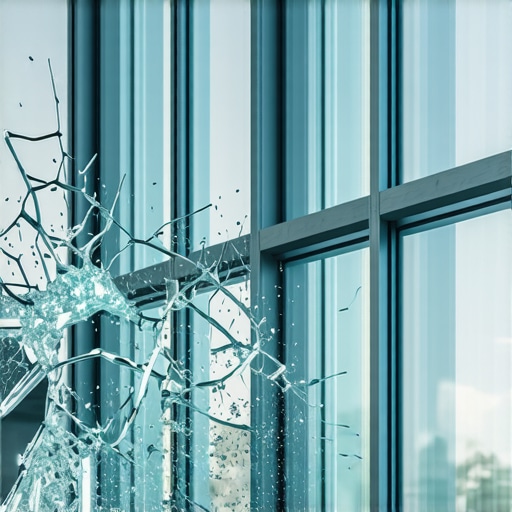
The Master Glazier’s Perspective: Safety vs. Security
I have spent over twenty-five years staring through glass, but more importantly, I have spent those decades analyzing how glass fails under pressure. Whether it is a category four hurricane or a smash-and-grab attempt, the physics remains the same. Homeowners often ask me if they should invest in a low-e glass upgrades package with factory-tempered units or simply retrofit their existing windows with high-tensile security film. The answer is never as simple as a sales brochure makes it seem. Before you decide, you must understand that a window is a complex thermal management system, not just a clear piece of silica.
A few years ago, a homeowner called me in a panic because their brand-new argon gas filled windows were ‘sweating’ profusely on the interior. I walked in with my hygrometer and thermal imaging kit, and the problem was immediately apparent. They had applied a heavy-duty 12-mil security film to the interior surface without considering the NFRC rating verification of the original unit. By adding that film, they altered the thermal conductivity of the glass, shifting the dew point to the interior surface. It was not a window failure; it was a physics failure. This is why understanding the 5 facts about these materials is critical for 2026.
“Installation is just as critical as the window performance itself. A high-performance window installed poorly will fail.” – AAMA Installation Masters Guide
1. The Molecular Difference: Tension vs. Adhesion
When we talk about window safety glass, we are usually referring to tempered glass. This glass is created through a process of extreme heating and rapid cooling. This creates a state of permanent tension where the outer surfaces are in compression and the inner core is in tension. This is why, when it breaks, it shatters into thousands of small, relatively harmless cubes. Security film, however, relies on polymer chains and aggressive adhesives to hold standard annealed glass together upon impact. In 2026, the technology in low-e glass upgrades often incorporates these features directly into the IGU (Insulated Glass Unit) to manage both Solar Heat Gain and structural integrity.
2. Thermal Stress and the Low-E Conflict
In a southern, hot climate like Phoenix or Miami, low-e glass upgrades typically place the coating on surface #2 (the inner face of the outer pane). This reflects infrared radiation before it can even enter the air gap. When you apply a dark or thick security film to the interior (surface #4), you can create a heat trap. This increases the risk of thermal stress cracks, especially if the rough opening was not perfectly shimmed, leaving the frame under slight torsion. I have seen roof window replacement projects fail within a year because the owner applied a DIY film that caused the glass to expand at a different rate than the aluminum frame.
3. The Realities of Forced Entry
Tempered glass is ‘safety glass,’ not ‘security glass.’ Once it breaks, the sash is wide open. Security film, when properly anchored to the frame using a wet-glaze silicone bead, turns the window into a sacrificial shield. Even after the glass is pulverized, the film maintains the barrier. For those looking into window automation integration, modern sensors can now detect the specific vibration frequency of glass breaking versus the film being stretched, allowing for more accurate alarm triggers.
“The selection of glazing materials must account for the specific environmental loads and safety requirements of the geographic location.” – ASTM E2112 Standard Practice
4. Maintenance and Operational Longevity
One aspect often overlooked is window track cleaning. If you have ADA compliant windows with low-profile sills, the extra weight of a security laminate can sometimes affect the operability of the hardware. Furthermore, while factory-tempered glass lasts as long as the seal of the IGU, security films have a finite lifespan. Over ten to fifteen years, the adhesives can succumb to UV degradation, leading to ‘silvering’ or bubbling. If you are investing in window mullion services to strengthen your window wall, you should decide on factory-laminated glass over film for a permanent solution.
5. The NFRC and Energy Logic
Always demand an NFRC rating verification for any new installation. This tells you the U-factor and SHGC (Solar Heat Gain Coefficient). In hot climates, you want a low SHGC to block the sun’s radiant heat. Security films can actually improve SHGC by acting as a secondary tint, but they often reduce VT (Visible Transmittance). If you are also considering tubular skylight services to bring in more natural light, be aware that filming your main windows might make the room feel significantly darker than anticipated. Proper glazing bead selection and ensuring your sill pan is correctly flashed will do more for your home’s longevity than any aftermarket film ever could.