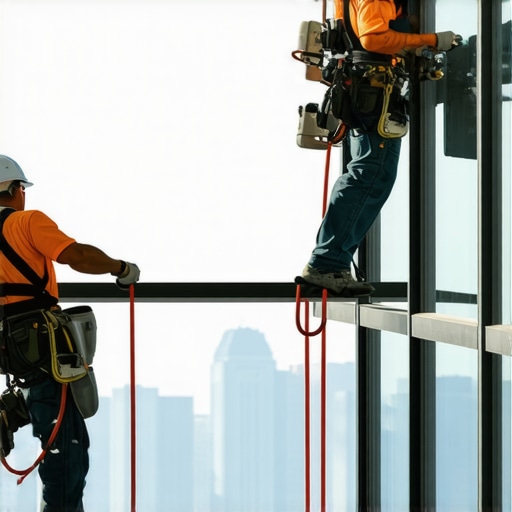
The High-Altitude Glazing Reality Check
In the world of professional glazing, a window isn’t just a piece of glass; it is a complex thermal valve. When you are dealing with high-rise structures, the physics of window performance changes drastically. At forty stories up, you aren’t just fighting the occasional rain shower; you are battling extreme wind loads, intense solar radiation, and the stack effect that can pull conditioned air right through a poorly shimmed frame. I have spent over twenty-five years staring at rough opening tolerances and analyzing the molecular degradation of glazing beads, and I can tell you that a ‘streak-free view’ in 2026 depends entirely on how you manage the tech behind the glass today.
The Condensation Crisis: A Narrative Warning
I remember a call I took from a property manager in a luxury high-rise who was in an absolute panic. The residents were complaining that their brand-new, multi-million dollar views were being obscured by ‘sweating’ glass. They were ready to sue the manufacturer for seal failure. I walked into the unit with my hygrometer and a thermal imaging camera. Within five minutes, I showed them that the interior humidity was sitting at a staggering 62% while the outdoor temperature had plummeted. It wasn’t a product failure; it was a lifestyle and ventilation issue. The windows were so thermally efficient that they were reaching the dew point on the interior surface because the HVAC system wasn’t properly balanced for the high-performance glazing. This is why window condensation solutions aren’t always about replacing the glass; they are about understanding the physics of the building envelope.
“Installation is just as critical as the window performance itself. A high-performance window installed poorly will fail.” – AAMA Installation Masters Guide
1. Mastering the Maintenance of Smart Glass and Photochromic Tints
By 2026, smart glass will be the standard in high-end vertical living. Whether it’s electrochromic glass that tints with a voltage or photochromic window tints that react to UV intensity, these surfaces require specialized care. You cannot approach these with a standard squeegee and a bucket of dish soap. The conductive coatings on smart glass are often sensitive to pH imbalances. When we talk about cleaning tactics, the first rule is chemical compatibility. Using ammonia-based cleaners on a window with an aftermarket photochromic tint can cause the adhesive to delaminate, leading to unsightly bubbling that no amount of scrubbing can fix. Instead, professional maintainers must use deionized water and micro-fiber technologies that prevent static buildup, which otherwise attracts high-altitude particulates. Understanding the Solar Heat Gain Coefficient (SHGC) is vital here. In southern climates, we focus on Low-E coatings on Surface #2—the inner face of the outer pane—to reflect heat before it even enters the building. Cleaning these windows properly ensures that the visible transmittance (VT) remains high while the SHGC stays low.
2. High-Load Casement Window Installation and Hardware Calibration
In high-rise environments, casement window installation offers superior air-tightness compared to sliding units, but they are under immense pressure. The sash must compress the weatherstripping perfectly to prevent air infiltration. Over time, the heavy glass can cause the sash to sag. Tactic number two for 2026 is the annual calibration of the hardware. This isn’t just about oiling a hinge; it’s about checking the shim alignment within the rough opening. If the frame has shifted even an eighth of an inch due to building settlement, the multi-point locking system won’t engage. This leads to ‘whistling’ windows and eventual water penetration. We look for signs of wear on the glazing bead and ensure the weep holes are clear. A clogged weep hole is a recipe for a rotted frame or, in the case of aluminum, internal corrosion that can lead to catastrophic window frame repair needs down the line.
3. The Science of Fogged Window Defogging and Seal Integrity
A fogged window is the death knell of a high-rise view. It signifies that the IGU (Insulating Glass Unit) seal has failed, allowing the desiccant to become saturated and moisture to enter the space between the panes. While some companies offer fogged window defogging by drilling small holes and venting the unit, I call that a temporary bandage. For a long-term 2026 strategy, you need to understand why the seal failed. Often, it’s ‘pressure cycling.’ In high-rises, the constant change in wind pressure causes the glass to bow in and out, a phenomenon known as ‘pumping.’ This stresses the primary polyisobutylene seal. Tactic three involves using a high-quality pocket window replacement if the original frames are still structurally sound. This allows for a new, factory-sealed IGU to be installed without disturbing the exterior facade, ensuring the thermal break remains intact.
“The NFRC label is the only way to truly compare the energy performance of different window products in the laboratory, but field performance is dictated by the quality of the surrounding seal.” – National Fenestration Rating Council (NFRC)
4. Solar Screen Installation and Cellular Shade Integration
Even with high-performance Low-E glass, the radiant heat in a south-facing high-rise can be brutal. This is where solar screen installation and cellular shade integration come into play. By 2026, these won’t just be manual pull-downs; they will be part of the building’s automated window openers and climate control system. The cleaning tactic here is ‘Systemic Maintenance.’ You aren’t just cleaning the glass; you are cleaning the tracks of the cellular shades to prevent motor burnout. Dust at high altitudes is often finer and more abrasive. If it gets trapped in the cellular shade fabric, it acts like sandpaper against the Low-E coating every time the shade is lowered. Proper integration means the shades should automatically retract during high-wind events to prevent damage to the window’s interior gaskets.
5. Advanced Frame Repair and the ‘Shingle Principle’
Finally, we must address window frame repair through the lens of the Shingle Principle. Water must always be directed down and out. In a high-rise, rain doesn’t just fall; it’s driven sideways and even upwards. If the flashing tape or the sill pan was installed incorrectly during the initial construction, you might not see the leak until the drywall is already black with mold. Tactic five for 2026 views is the use of end-row cameras to inspect the internal drainage cavities of the window frames. We check for ‘caulk-and-walk’ repairs where previous installers simply smeared silicone over a leak. Proper repair involves removing the sash, checking the shim blocks, and ensuring the secondary seals are not compromised. Whether you are doing a full-frame replacement or a pocket window replacement, the water management system—specifically the interface between the window and the building’s air barrier—is the most critical component for maintaining your view and your property value.