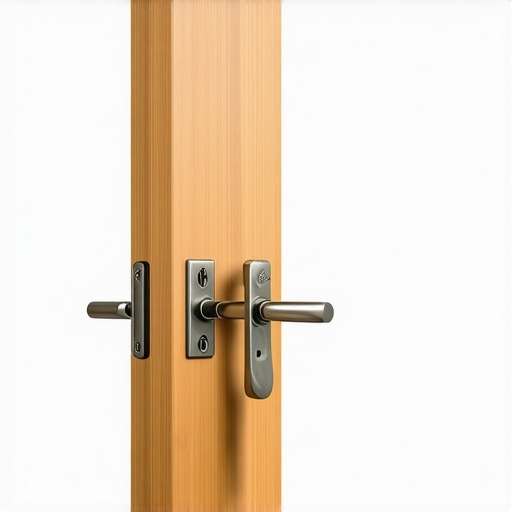
The Integrity of the Opening: Why Your Lock is Only as Good as Your Frame
In twenty-five years of glazing, I have seen homeowners spend thousands on bullet resistant window glass and high-end lift slide window replacement units, only to have the entire system fail because the installer didn’t understand the physics of a rough opening. A multi-point lock is a marvel of engineering, engaging the sash at several intervals along the jamb to provide superior air tightness and security. However, when that hardware begins to grind or fail to latch, it is rarely a defect in the metal itself. Usually, it is a symptom of a deeper structural or thermal failure.
The Narrative: A Lesson in Hidden Decay
I recall a project in a coastal suburb where I was called for what the client thought was a simple sliding window service. The owner complained that the multi-point handle was becoming impossible to turn. I pulled the interior trim and discovered a disaster. The previous contractor had neglected to install a proper sill pan, relying instead on a bead of sealant that had long since cracked. The header was sagging due to moisture infiltration, putting nearly a quarter-inch of pressure on the top of the frame. The multi-point lock wasn’t ‘broken’; it was being crushed. We had to perform an extensive wood rot window repair before we could even think about the hardware. This is the reality of glazing: the glass is the jewel, but the flashing and the frame are the vault.
“Installation is just as critical as the window performance itself. A high-performance window installed poorly will fail.” – AAMA Installation Masters Guide
The Physics of the Multi-Point System
Unlike a traditional deadbolt, a multi-point system uses a series of mushrooms or hooks that travel within the sash when the handle is actuated. These hooks must align perfectly with the keepers on the frame. If your house has settled or if your window balance replacement was done incorrectly, that alignment is gone. In 2026, as we move toward even tighter building envelopes, the tolerance for error in these systems is effectively zero. We are talking about gaps measured in millimeters that dictate whether your U-Factor remains at its rated 0.22 or if you are essentially living with an open vent.
Fix 1: The Shim and Plumb Realignment
The most common cause of multi-point failure is a frame that has been ‘bowed’ by over-aggressive shimming or seasonal expansion. You must inspect the verticality of the jamb. If the center of the frame is pinched inward, the locking points will hit the keepers prematurely. To fix this, you must remove the glazing bead and check the internal clearance. Sometimes, simply backing off a single screw in the rough opening and re-setting the shim can restore the ‘click’ of a secure lock. This is especially true for large-scale picture window services where the weight of the glass can cause frame deflection over time.
Fix 2: Drainage and Weep Hole Auditing
A multi-point lock that feels ‘gritty’ is often a victim of corrosion from the inside out. Every operable sash is designed to manage water. If your weep holes are clogged with debris or paint, water backs up into the track, submerging the lower locking gear. This is why hydrophobic window treatments are becoming a standard; they ensure water sheets off the glass and into the drainage system rather than pooling at the hardware interface. If you see water sitting in your track after a rainstorm, your lock’s lifespan is being cut in half every month.
“The flashing system shall be designed and installed to prevent water from entering the building envelope or damaging the window frame.” – ASTM E2112 Standard Practice
Fix 3: The Gasket and Compression Reset
In cold climates, we prioritize the U-Factor. The enemy is heat loss and the dreaded dew point. If your gaskets have flattened over time, the multi-point lock has to pull harder to create a seal. This puts immense torque on the handle. Replacing the EPDM gaskets is often the ‘secret’ fix for a hard-to-turn lock. By restoring the original compression, the hardware can glide into the ‘locked’ position without fighting the friction of a dry, brittle seal. For those with tubular skylight services or specialty glass, ensure the seals are rated for high UV exposure to prevent this degradation.
The Thermal Context: Why It Matters
If you are in a northern climate, your multi-point lock is your primary defense against condensation. By pulling the sash tight against the weatherstripping, you move the dew point outside the frame. If the lock is loose, warm indoor air hits the cold glass surface, resulting in ‘sweating’ that eventually leads to the need for wood rot window repair. In the south, the focus shifts to SHGC (Solar Heat Gain Coefficient). A secure lock ensures that your Low-E coatings—usually on Surface #2 for hot climates—are positioned exactly where they need to be to reflect infrared radiation before it enters the home. Whether you are seeking storm window services for hurricane prep or just trying to lower your cooling bill, the mechanical security of the lock is what preserves the thermal performance of the glass.